

What looks like misbehavior may actually be sensory overload. For many students with Autism Spectrum Disorder (ASD), everyday school environments are full of triggers—bright lights, loud noises, crowded spaces, and constant transitions. These sensory experiences aren’t just distractions. They can cause real discomfort, anxiety, or distress that leads to shutdowns, meltdowns, or unexpected behaviors (National […]

What looks like misbehavior may actually be sensory overload. For many students with Autism Spectrum Disorder (ASD), everyday school environments are full of triggers—bright lights, loud noises, crowded spaces, and constant transitions. These sensory experiences aren’t just distractions. They can cause real discomfort, anxiety, or distress that leads to shutdowns, meltdowns, or unexpected behaviors (National […]

What looks like misbehavior may actually be sensory overload. For many students with Autism Spectrum Disorder (ASD), everyday school environments are full of triggers—bright lights, loud noises, crowded spaces, and constant transitions. These sensory experiences aren’t just distractions. They can cause real discomfort, anxiety, or distress that leads to shutdowns, meltdowns, or unexpected behaviors (National […]

What looks like misbehavior may actually be sensory overload. For many students with Autism Spectrum Disorder (ASD), everyday school environments are full of triggers—bright lights, loud noises, crowded spaces, and constant transitions. These sensory experiences aren’t just distractions. They can cause real discomfort, anxiety, or distress that leads to shutdowns, meltdowns, or unexpected behaviors (National […]

When a student doesn’t speak, it’s easy to assume they have nothing to say. But for many autistic learners, especially those who are nonspeaking or minimally verbal, this could not be further from the truth. Students with Autism Spectrum Disorder (ASD) who are nonverbal experience the world just as richly as their peers. They think, […]

The word “accommodation” can trigger strong reactions in schools. Some educators quietly wonder, “Is it fair?” while some students ask, “Why do they get extra time and I don’t?” And in some communities, there’s still a lingering myth that accommodations are a way of giving certain students a shortcut or an unfair advantage. Let’s be […]

Group projects are meant to promote collaboration, communication, and critical thinking. When done well, they prepare students for real-world teamwork and problem-solving. But for students with Autism Spectrum Disorder (ASD), traditional group projects can often feel confusing, overwhelming, or inaccessible. Unclear expectations, rigid formats, and limited role flexibility can turn group work into a source […]

Hallways are more than just transitional spaces between classrooms. For students with Autism Spectrum Disorder (ASD), hallways can be a source of anxiety and sensory overload. Crowded movement, unpredictable sounds, fluorescent lighting, and changing visuals can quickly overwhelm a student’s nervous system, turning what seems like a routine transition into a stressful experience. While most […]
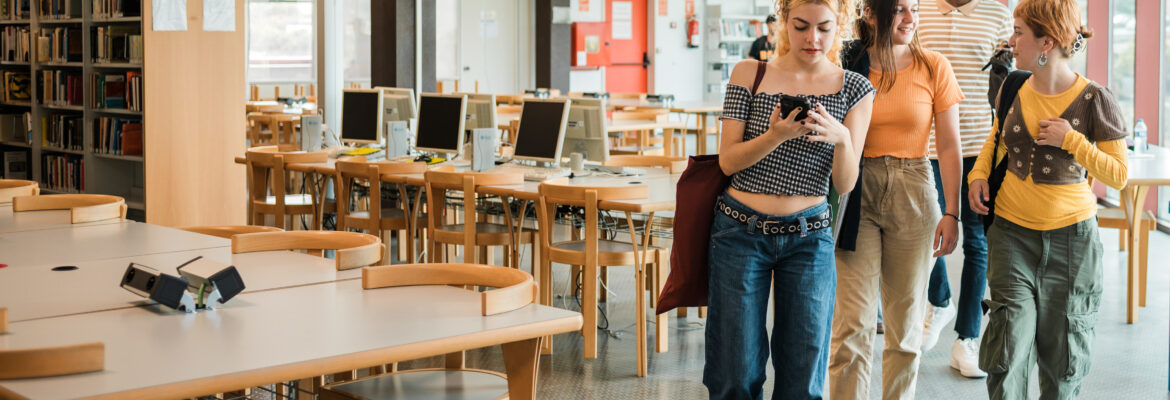
Inclusion is more than just placing students with Autism Spectrum Disorder (ASD) in general education classrooms. True inclusion means building a learning environment where every student is welcomed, supported, and able to thrive. For autistic students, this requires thoughtful planning, empathy, and collaboration from every adult in the room. When educators create inclusive classrooms, they’re […]

Educators play a pivotal role in the academic, social, and emotional development of students with Autism Spectrum Disorder (ASD). But without the right tools and training, many feel overwhelmed by where to start or unsure whether their strategies are effective. That’s where Evidence-Based Practices (EBPs) come in. These are classroom strategies and interventions grounded in […]

Recent Comments