

Walk into almost any classroom and there is a lot happening before instruction even begins. Fluorescent lights illuminate the room. Student work and colorful posters cover the walls. Chairs scrape across the floor. The air conditioner hums. Students talk with one another while backpacks are opened, materials are organized, and announcements interrupt the morning routine. […]
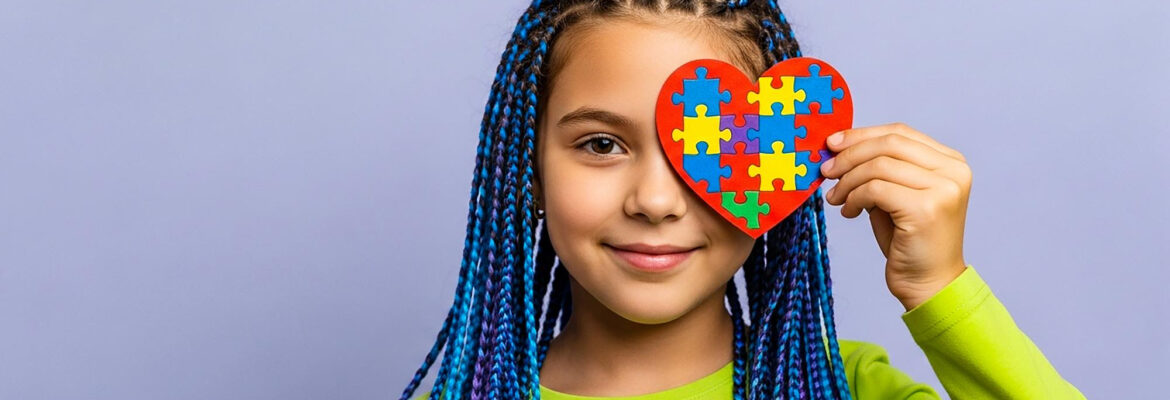
For many years, public understanding of Autism Spectrum Disorder (ASD) was shaped by a fairly narrow picture of what autism “looks like.” Educators were often taught to recognize students who displayed obvious social communication differences, repetitive behaviors, or significant support needs. While these characteristics certainly describe many autistic students, they do not represent everyone’s experience. […]

One of the most important goals of education is preparing students for life beyond the classroom. Academic knowledge is certainly part of that journey, but so are confidence, communication, and self-awareness. For students with Autism Spectrum Disorder (ASD), one of the most valuable lifelong skills they can develop is self-advocacy. Self-advocacy is the ability to […]

Paraprofessionals play a critical role in supporting students with Autism Spectrum Disorder (ASD). They are often the ones providing direct, day-to-day support, helping students navigate instruction, transitions, social interactions, and emotional regulation. Much of what we understand about effective paraprofessional support comes from a combination of research, school-based collaboration models, and ongoing conversations with educators […]

What looks like misbehavior may actually be sensory overload. For many students with Autism Spectrum Disorder (ASD), everyday school environments are full of triggers—bright lights, loud noises, crowded spaces, and constant transitions. These sensory experiences aren’t just distractions. They can cause real discomfort, anxiety, or distress that leads to shutdowns, meltdowns, or unexpected behaviors (National […]

What looks like misbehavior may actually be sensory overload. For many students with Autism Spectrum Disorder (ASD), everyday school environments are full of triggers—bright lights, loud noises, crowded spaces, and constant transitions. These sensory experiences aren’t just distractions. They can cause real discomfort, anxiety, or distress that leads to shutdowns, meltdowns, or unexpected behaviors (National […]

What looks like misbehavior may actually be sensory overload. For many students with Autism Spectrum Disorder (ASD), everyday school environments are full of triggers—bright lights, loud noises, crowded spaces, and constant transitions. These sensory experiences aren’t just distractions. They can cause real discomfort, anxiety, or distress that leads to shutdowns, meltdowns, or unexpected behaviors (National […]

When a student doesn’t speak, it’s easy to assume they have nothing to say. But for many autistic learners, especially those who are nonspeaking or minimally verbal, this could not be further from the truth. Students with Autism Spectrum Disorder (ASD) who are nonverbal experience the world just as richly as their peers. They think, […]

Recent Comments